

New MD Anderson-developed antibody boosts immune response against blood cancers and solid cancers

Researchers have performed a comprehensive evaluation of five artificial intelligence (AI) models trained on genomic sequences, known as DNA language models. These comparisons provide valuable insights into their strengths and weaknesses and offer a framework for selecting appropriate models based on specific genomic tasks. The study was led by Chong Wu, Ph.D., assistant professor of Biostatistics and affiliate of the Institute for Data Science in Oncology; and Peng Wei, Ph.D., professor of Biostatistics. Post Views: 258

Shorter azacitidine regimen safely improves outcomes in lower-risk MDS patients

Patients with lower-risk myelodysplastic syndromes (MDS) experienced strong responses with fewer side effects when treated with a five-day azacitidine compared to shorter durations of azacitidine or decitabine. Final data from the trial was presented by Ian Bouligny, M.D., assistant professor of Leukemia.   “For patients with lower-risk MDS, a five-day duration of azacitidine was safe and effective, showing improved event-free survival and overall survival compared to three-day durations of azacitidine or decitabine,” Bouligny said. “We’ve seen firsthand how this approach improves...

Researchers identify CD40 as potential biomarker for a type of nodal T cell lymphoma

Researchers have characterized the complex microenvironment in angioimmunoblastic T cell lymphoma (AITL), a type of nodal T cell lymphoma, and identified overexpression of the CD40 protein as a potential biomarker associated with improved overall survival (OS). The study was led by Francisco Vega, M.D., Ph.D., professor of Hematopathology, and Tania Sainz, graduate research assistant.   “The discovery of CD40 overexpression as a potential biomarker gives us a new lens to assess patient risk and opens the door to therapeutic...

New data highlights promise pivekimab sunirine in two aggressive blood cancers 

In a Phase Ib/II trial led by Naval Daver, M.D., professor of Leukemia, patients with newly diagnosed CD123-positive acute myeloid leukemia (AML) who were unable to undergo intensive chemotherapy had strong response rates from the triplet combination of venetoclax, azacitidine and pivekimab sunirine (PVEK).   “This triplet regimen may represent a significant step forward for older patients with CD123-positive AML who are not candidates for intensive chemotherapy,” Daver said. “The remission and MRD rates we observed are very encouraging...

Memorial Hermann Katy Hospital announces Major Expansion

Memorial Hermann Health System today announced a $282.5 million expansion of Memorial Hermann Katy Hospital, designed to meet the needs of the region’s rapidly growing population and the rising demand for high-quality, patient-centered care, supported by leading-edge technology. Construction is scheduled to begin in late 2026. The centerpiece of the planned expansion is a new eight-story patient tower, which will include additional inpatient beds, advanced imaging services and a rooftop helipad for Memorial Hermann Life Flight®. Additional...

Traces of bacteria inside brain tumors may affect tumor behavior

Researchers have uncovered unexpected traces of bacteria within brain tumors. The data revealed that bacterial genetic and cellular elements were present inside brain tumor cells and across the tumor microenvironment. These bacterial components appeared biologically active, potentially influencing tumor behavior and progression in patients with gliomas and brain metastases. The multi-institutional study was led by Golnaz Morad, D.D.S, Ph.D., postdoctoral research fellow in Surgical Oncology, and Jennifer Wargo, M.D., professor of Surgical Oncology and Genomic Medicine and core member of the...

Inflammation may be responsible for driving earliest stages of lung cancer

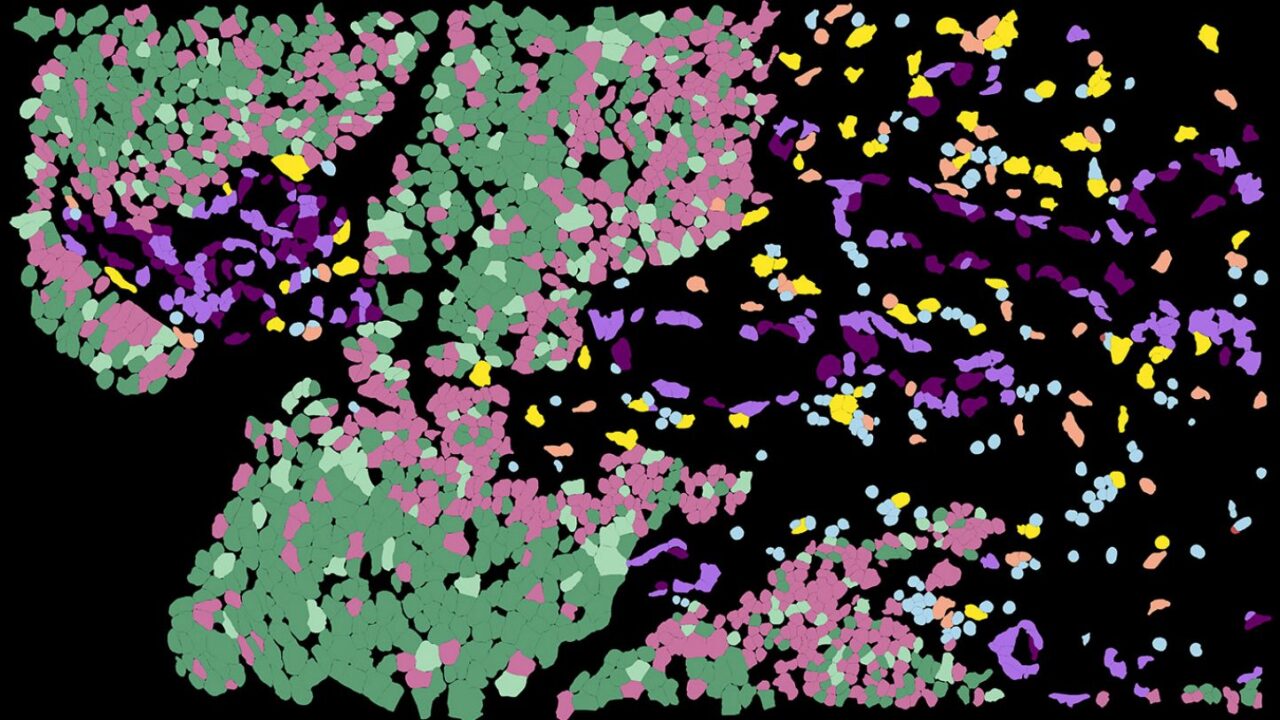
By creating high-resolution cellular and molecular visual maps of lung cancer before and during development, researchers discovered that the earliest stages of lung cancer may be driven by inflammation, suggesting that targeting proinflammatory pathways could be an early intervention approach. The study generated spatial transcriptomic maps in precancerous and more advanced stages of lung cancer to provide a deeper understanding of early lung cancer development. The research was led by Humam Kadara, Ph.D., professor of Translational Molecular Pathology, and Linghua...

Alzheimer’s Disease can hijack communication between brain and fat tissue, potentially worsening cardiovascular and metabolic health

A recent study from Houston Methodist sheds light on how Alzheimer’s disease may contribute to larger health issues by hijacking the body’s ability to regulate its metabolism. Researchers have discovered that along with the negative effects an Alzheimer’s diagnosis brings, the disease can also sabotage messages between nerves and blood vessels in fat tissue, which can worsen heart and metabolic conditions such as stroke, heart disease and diabetes.   The first-of-its-kind research, “Alzheimer’s disease disrupts intra-adipose neurovascular...

Study uncovers hidden class of BRCA1 mutations and a potential way to target them

Researchers identified a new role for heat shock protein 90 (HSP90) in cancer predisposition and treatment resistance. HSP90 buffers BRCA1 mutations, masking their negative effects and delaying breast cancer onset. This buffering creates a vulnerability in cancer cells, revealing a potential therapeutic strategy in which targeting HSP90 could be used to overcome treatment resistance. The study, led by Georgios Karras, Ph.D., associate professor of Genetics, identifies predictive features of HSP90 buffering in patients with specific mutations in BRCA1 that may help...

Researchers identify rare mutation that predicts strong immunotherapy response in colorectal cancer

Researchers showed that a specific subset of mutations in the POLE gene is strongly associated with durable responses to immunotherapy in patients with metastatic colorectal cancer (CRC). This type of mutation, called loss-of-proofreading (LOP) mutations, affects specific functions of the POLE protein. The study, led by John Paul Shen, M.D., assistant professor in Gastrointestinal Medical Oncology, and Giulia Maddalena, M.D., Ph.D., former graduate student and attending physician, aimed to help identify and predict which patients benefit from immune checkpoint therapy, avoiding potentially...

MJH footer logo with red letters

Medical Journal – Houston is the leading source of healthcare business news. With extremely relevant content, late-breaking news and monthly exclusives from industry experts, MJH News has created a winning combination of must-read editorial that physicians and hospital executives eagerly anticipate month after month. MJH News is the resource that provides everything they need in one place, and it is a high honor that they rely upon Medical Journal – Houston to keep their practice or hospital on the cutting edge.

Archives