

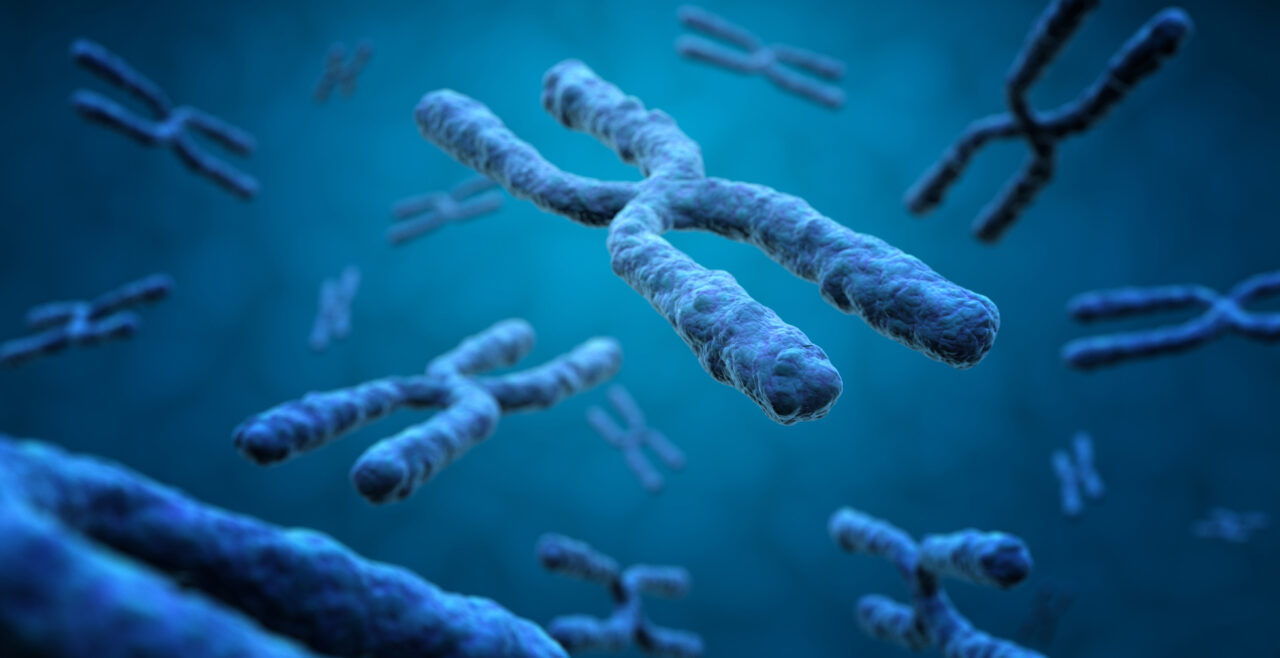
A comprehensive multi-cancer study from researchers at The University of Texas MD Anderson Cancer Center has revealed that cancer cells within tumors are genetically diverse, yet all carry the same core genetic changes that can be traced back to a common ancestral cell, providing a single-cell view of how tumors adapt, survive and diversify. Understanding this helps explain why some cancer cells manage to survive treatments, paving the way for more tailored diagnostic and therapeutic strategies.
The study, published in Cancer Discovery, was led by Nicholas Navin, Ph.D., chair of Systems Biology. The research shows that cancer cells do not evolve slowly over time but, rather, grow through sudden bursts of rapid genetic changes that include copy number alterations (CNAs) – gains or losses of entire sections of DNA. This creates a family tree of distinct new subpopulations that can influence tumor aggressiveness, metastasis and treatment response.
The researchers say these findings provide a foundational framework for future larger-scale investigations that account for intratumoral diversity, which can include more patients and other cancer types to better understand tumor evolution. This, in turn, could lead to more accurate diagnosis and personalized treatment to improve clinical care and outcomes.