


Medical Journal June 2026 Digital Edition
June 24, 20261 min
Post Views: 1,151

BY Anna Stevens, National Market Leader, Health Care Industry Services, Weaver Houston-area health care organizations are facing growing pressure to recruit and retain clinicians in one of the country’s most competitive labor markets. Population growth, rising patient demand, and continued workforce shortages are forcing hospitals and health systems to rethink how they support employees — not just professionally, but financially. For many organizations, traditional retention strategies are no longer enough. Sign-on bonuses and periodic compensation...

By Rossanna J. Madrigal, JD, MPH and Michael R. Alexander, Esq. Brown & Fortunato, P.C. The 89th Texas Legislature passed two laws in its last session addressing the use of artificial intelligence (“AI”) in the health care space. Senate Bill 1188 took effect in September 2025 and House Bill 149 became effective at the first of this year. In this article, we summarize the main points of each of these laws and address some potential...

BY J.D. Brewer, Principal, Advisory, C&O Health and Government, and Saurabh Goyal, Principal, Advisory, Health and Government, KPMG LLC AI as the new architecture of payer value Healthcare payers are operating in one of the most difficult financial environments the industry has faced in years. Medical costs continue to climb, regulatory constraints are intensifying, and administrative margins remain under constant pressure. To keep pace, most organizations have followed a familiar playbook: digitizing processes, automating transactions,...

BY Samuel Mathis, MD, MBA, CPE, Family Medicine, UTMB-Health and the John Sealy School of Medicine One of the most challenging integrative visits we face is patients with insomnia. It is often difficult to implement sleep hygiene recommendations in today’s busy society, and many prescription medications carry significant risks, especially in older patients. Two supplements we regularly recommend are melatonin and magnesium. Patients will often ask which of the two is a better choice for...

Special to Medical Journal – Houston By John Hawkins, President/CEO, Texas Hospital Association Businesses and families are flocking to Texas, adding nearly 400,000 new residents in 2025. To keep our great state healthy, we need a healthcare system that can keep up. Texas needs to add roughly 2,100 to 2,700 healthcare workers monthly just to keep up with population growth. The stakes are clear: When there aren’t enough people to provide care, patients wait longer,...
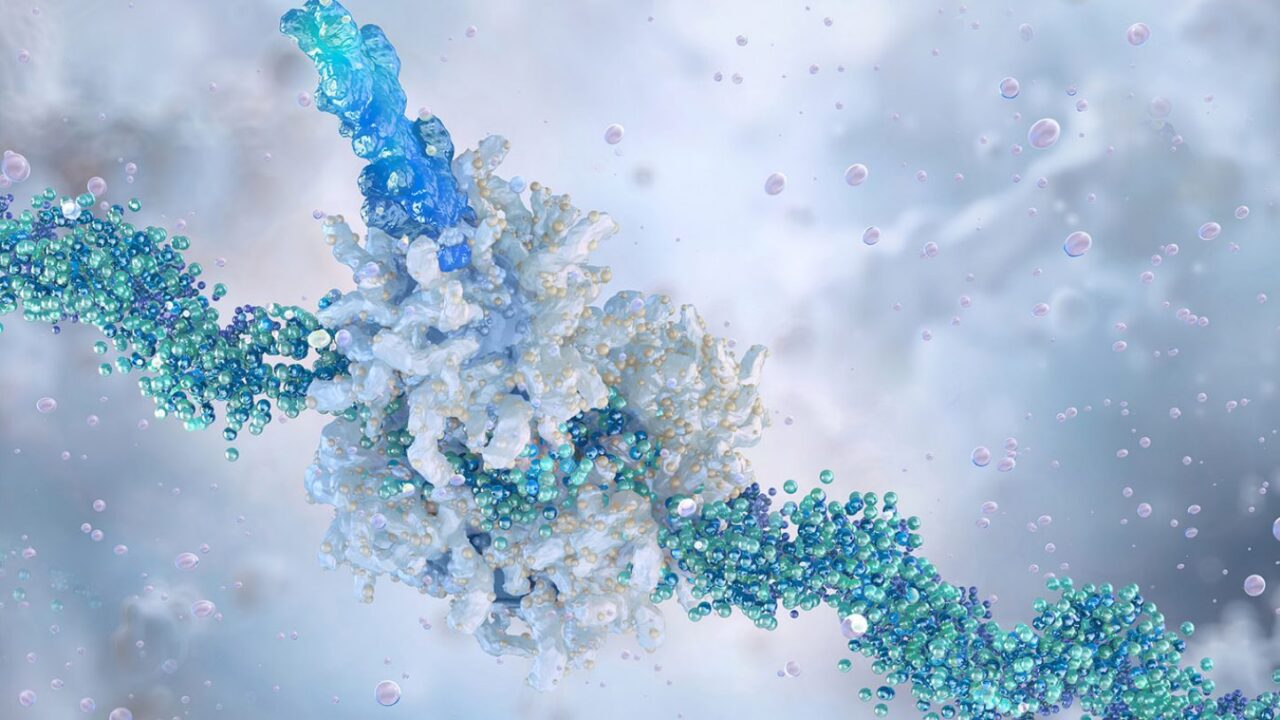
The University of Texas MD Anderson Cancer Center today announced it has joined a global consortium dedicated to accelerating the elimination of cervical cancer worldwide. The collaboration agreement with the Elimination Partnership in Cervical Cancer (EPICC) expands UT MD Anderson’s global oncology efforts, further strengthening its commitment to advancing cancer prevention and control in medically underserved regions. The EPICC program, led by the University of Sydney in collaboration with a consortium of local and global...
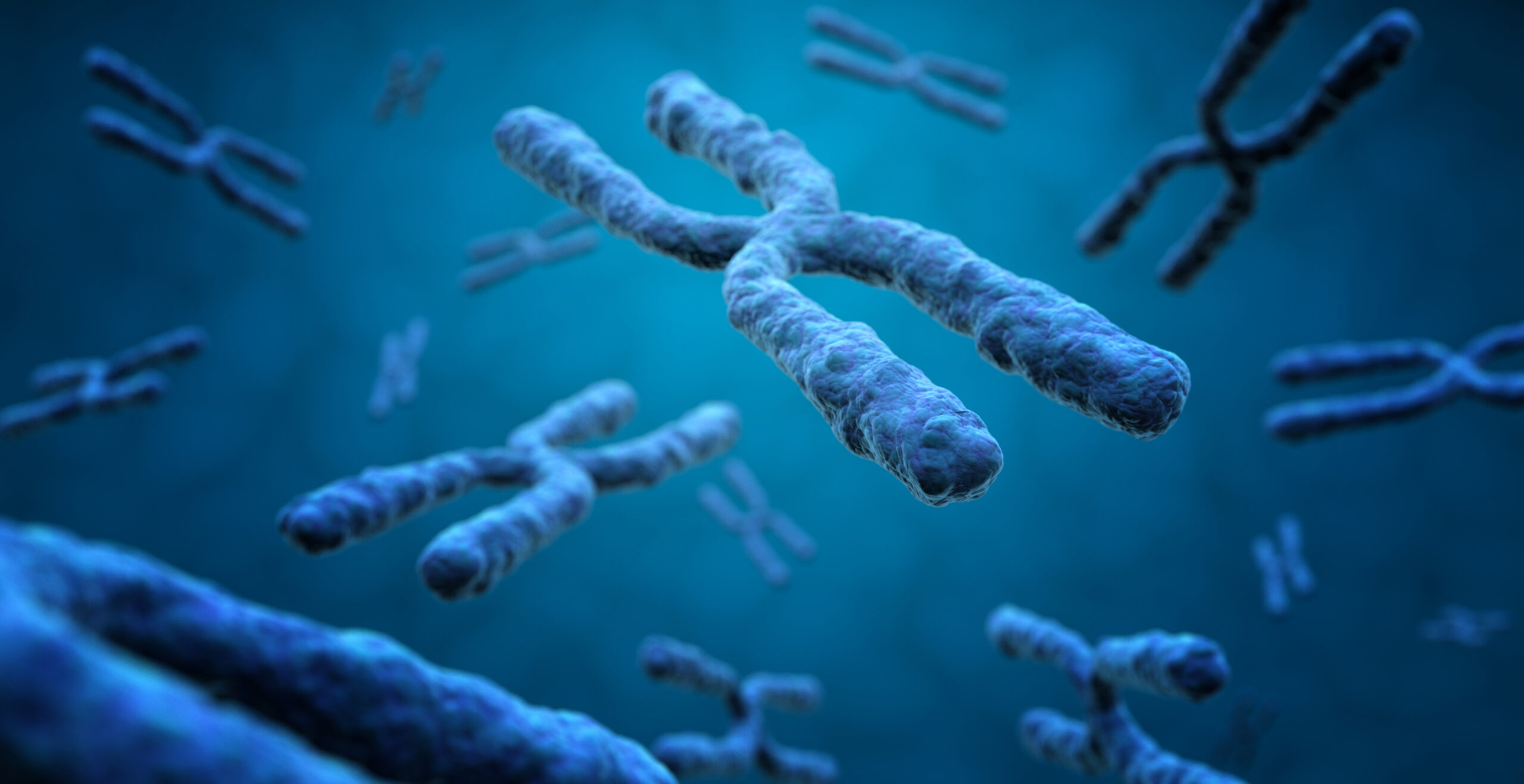
A comprehensive multi-cancer study from researchers at The University of Texas MD Anderson Cancer Center has revealed that cancer cells within tumors are genetically diverse, yet all carry the same core genetic changes that can be traced back to a common ancestral cell, providing a single-cell view of how tumors adapt, survive and diversify. Understanding this helps explain why some cancer cells manage to survive treatments, paving the way for more tailored diagnostic and therapeutic...
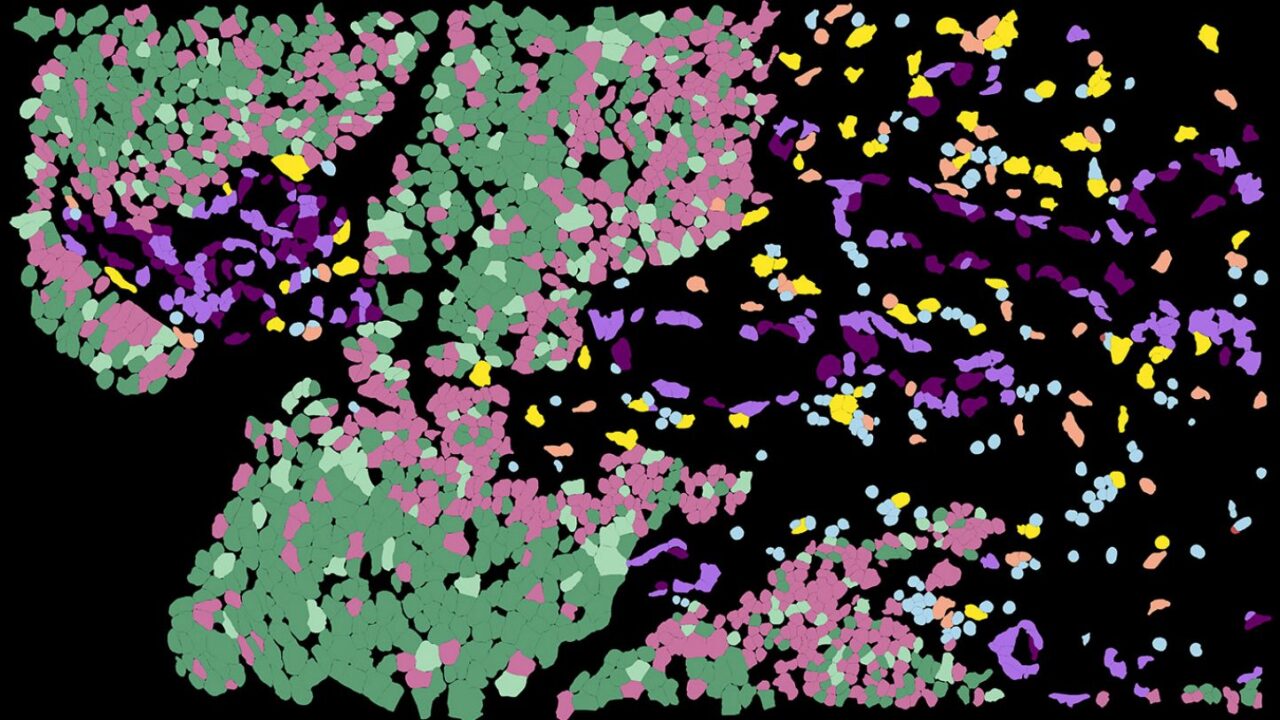
Researchers at The University of Texas MD Anderson Cancer Center have developed a spatial map of muscle-invasive bladder cancer, revealing how tumor cell states, immune environments and therapeutic vulnerabilities are organized within tumors. The study, published in Cancer Discovery, provides a new framework for understanding why patients with bladder cancer may respond differently to treatment. The research was led by Linghua Wang, M.D., Ph.D., professor of Genomic Medicine, executive director and head of the Center...

A new treatment platform developed by researchers at The University of Texas MD Anderson Cancer Center was able to deliver messenger RNA (mRNA) of the full-length DMD gene into preclinical models of Duchenne muscular dystrophy, successfully restoring the production of an important muscle protein, dystrophin, and dramatically improving muscle strength, endurance and function in vivo. The study, published today in Nature Biomedical Engineering, was co-led by Betty Kim, M.D., Ph.D., professor of Neurosurgery and core...