

Heated chemotherapy improves overall survival in some patients with colorectal cancer

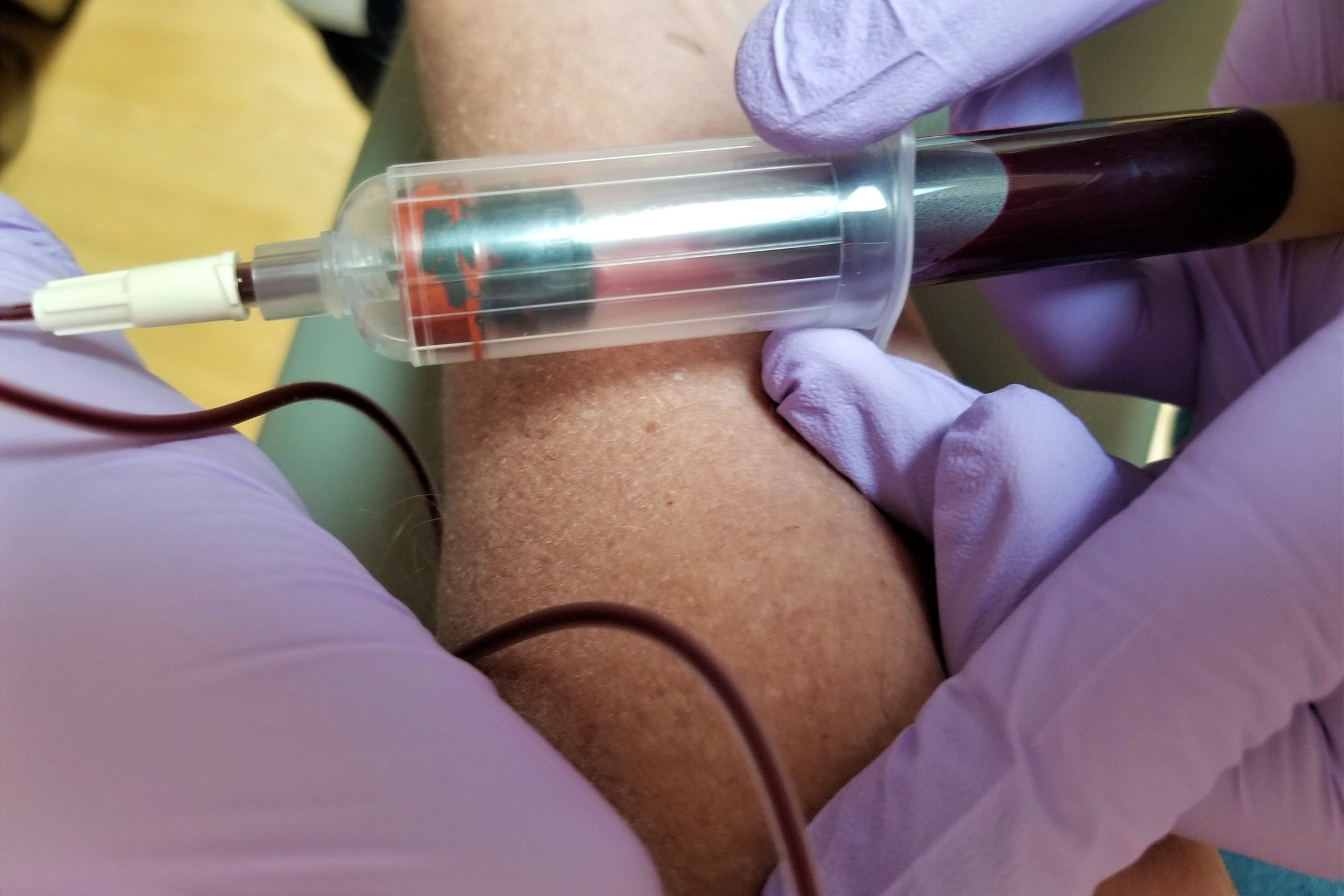
Some patients with advanced colorectal cancer develop metastases in the lining of the abdominal cavity, known as peritoneal metastases. Cytoreductive surgery (CRS) can help remove most tumors, and it is sometimes combined with heated chemotherapy delivered to the abdominal cavity – a treatment approach called hyperthermic intraperitoneal chemotherapy (HIPEC) – to eliminate remaining cancer cells. In a retrospective study, researchers led by Michael White, M.D., and Paula Smith, M.D., examined the benefits of HIPEC in 147 patients with colorectal cancer and peritoneal metastases who received...

UTMB study suggests combination thyroid therapy may reduce dementia and mortality risk in hypothyroidism

A major new study led by researchers at the University of Texas Medical Branch suggests that standard treatment for hypothyroidism may not fully protect patients from long-term risks such as dementia and premature death—even when thyroid-stimulating hormone (TSH) levels are within the normal range. The findings highlight potential benefits of combination therapy that includes both levothyroxine (T4) and liothyronine (T3).   Hypothyroidism is a common endocrine disorder in which the thyroid gland does not produce...

‘A blessing in disguise’: Nurse credits new robotic technology and rapid care with catching lung cancer early

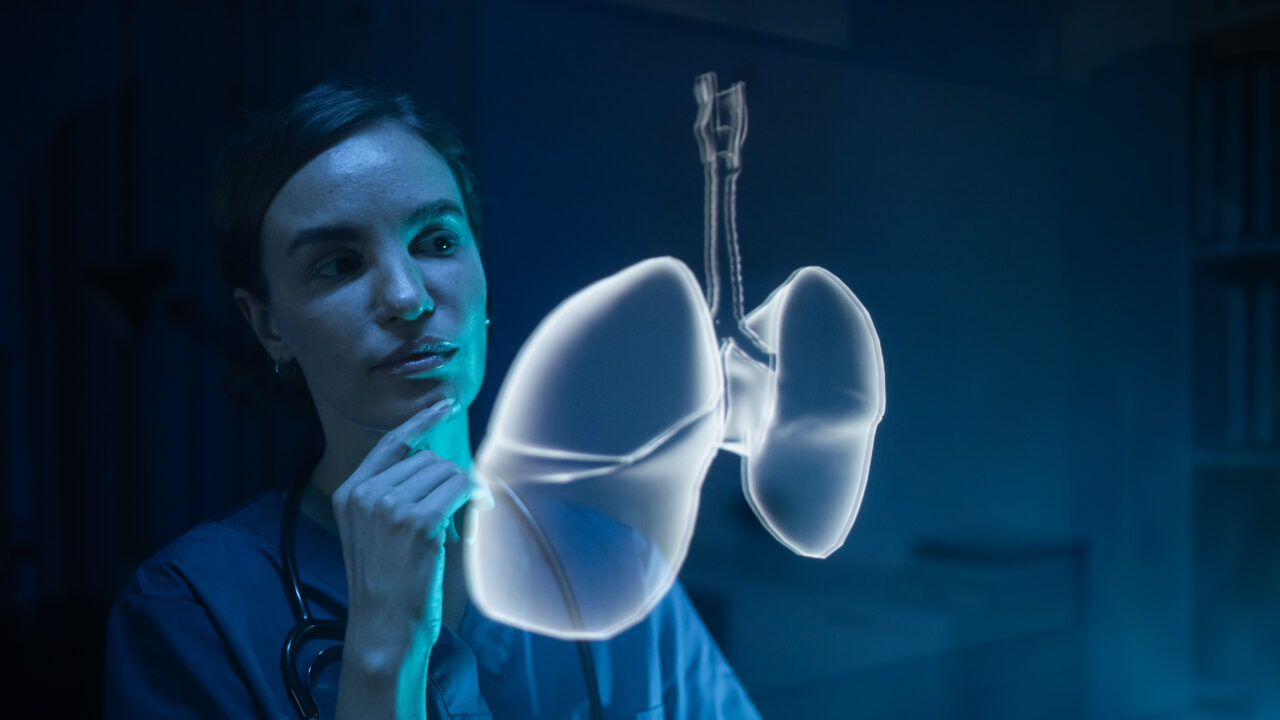
When longtime nurse Riki Granger went in for an abdominal CT scan, she never imagined the results would reveal something life-changing – a small lesion on her lungs. “It was a blessing in disguise,” Granger said. “A miracle.” Within days, she was connected to Houston Methodist Sugar Land Hospital’s lung nodule program medical director Dr. Priya Oolut. Oolut recommended a biopsy using the hospital’s brand-new robotic bronchoscopy system, the first of its kind in Fort...

University of Texas Medical Branch cancer researchers granted nearly $5M

Researchers at The University of Texas Medical Branch have been awarded a total of nearly $5 million in grants from the Cancer Prevention and Research Institute of Texas to forward their work.   In all, CPRIT approved 61 grants totaling more than $93 million. The UTMB grantees are:   Abbey Berenson, $2,499,990: Expanding Opportunities for HPV Vaccination in Medically Underserved Areas of East Texas William Russell, $1,999,492: A Targeted Proteomics and Metabolomics Mass Spectrometry Core Facility at...

Pre-surgical combination therapy shows promising results for NSCLC

Chemotherapy and immunotherapy combined with surgery is the standard treatment for patients with early-stage resectable non-small cell lung cancer (NSCLC), but many still experience disease recurrence. In the Phase II NeoCOAST-2 trial led by Tina Cascone, M.D., Ph.D., researchers enrolled patients with untreated, resectable stage IIA-IIIB NSCLC and examined the efficacy and safety of pre-surgical chemotherapy plus durvalumab immunotherapy in combination with novel monoclonal antibodies oleclumab or monalizumab or with the antibody-drug conjugate datopotamab deruxtecan (Dato-DXd). Of participants who received oleclumab, 15 of 74...

Researchers identify CREM as a critical regulator of CAR NK cell function

Chimeric antigen receptor (CAR) natural killer (NK) cells represent a promising experimental cell therapy, but the molecular mechanism regulating their activity is not fully understood. In a new study, researchers led by Katy Rezvani, M.D., Ph.D., and Hind Rafei, M.D., identified a protein – cAMP response element modulator (CREM) – as a critical checkpoint regulator of CAR NK cells that, when upregulated, limits the effectiveness of CAR NK cells. Researchers used CRISPR gene editing to target and knock...

Researchers identify novel target for high-risk multiple myeloma

High-risk multiple myeloma is an aggressive disease in which plasma cells grow uncontrollably. It is typically resistant to treatment and the prognosis for patients is poor. However, the genes that contribute to this behavior are not fully understood. Using single-cell transcriptomics, researchers led by Robert Orlowski, M.D., Ph.D., identified that CLPP, a protein in mitochondria, is overexpressed in high-risk cases and may also enable progression from earlier precursor cases to more advanced disease. Inhibiting CLPP genetically or through treatment...

Study uncovers novel role for BRCA2, suggesting new therapeutic strategies

BRCA2, a key tumor suppressor that helps repair and protect DNA during replication, is often mutated in cancer cells. Normally, BRCA2 interacts with another protein, RAD51, to suppress genomic instability by fixing damage at DNA breaks or by protecting DNA at stalled replication forks, which can occur during DNA replication. By examining the protein structure of a specific region of BRCA2, known as the C-terminal end, researchers led by Katharina Schlacher, Ph.D., and John Tainer, Ph.D., uncovered a...

UT MD Anderson and Texas Children’s Hospital announce $150 million gift from Kinder Foundation to launch Kinder Children’s Cancer Center

The University of Texas MD Anderson Cancer Center and Texas Children’s Hospital announced a $150 million gift from Kinder Foundation. The transformational gift creates Kinder Children’s Cancer Center, a joint venture of UT MD Anderson Cancer Center and Texas Children’s Hospital, with a single mission: to end childhood cancer.   The gift is one of the largest philanthropic donations made to an American pediatric hospital and one of the largest in the history of the Texas Medical Center (TMC). With this...

UTMB study showing exercise, not testosterone, aids recovery after hip fracture

Researchers from the University of Texas Medical Branch joined a multi-center team in conducting the largest randomized clinical trial to date on testosterone therapy in women recovering from hip fractures, finding that the hormone treatment did not improve physical function compared to supervised exercise alone.   The STEP-HI study is the largest such study of testosterone administration to women following a fracture of the hip. Hip fractures are the most serious type of osteoporotic fracture,...

MJH footer logo with red letters

Medical Journal – Houston is the leading source of healthcare business news. With extremely relevant content, late-breaking news and monthly exclusives from industry experts, MJH News has created a winning combination of must-read editorial that physicians and hospital executives eagerly anticipate month after month. MJH News is the resource that provides everything they need in one place, and it is a high honor that they rely upon Medical Journal – Houston to keep their practice or hospital on the cutting edge.

Archives