
Researchers led by a team from The University of Texas Medical Branch at Galveston were able to dramatically reduce the pain of fibromyalgia patients with medication that targeted insulin resistance.   This discovery could dramatically alter the way that some forms of chronic pain can be identified and managed. Dr. Miguel Pappolla, UTMB professor of neurology, said that although the discovery is very preliminary, it may lead to a revolutionary shift on how fibromyalgia and...

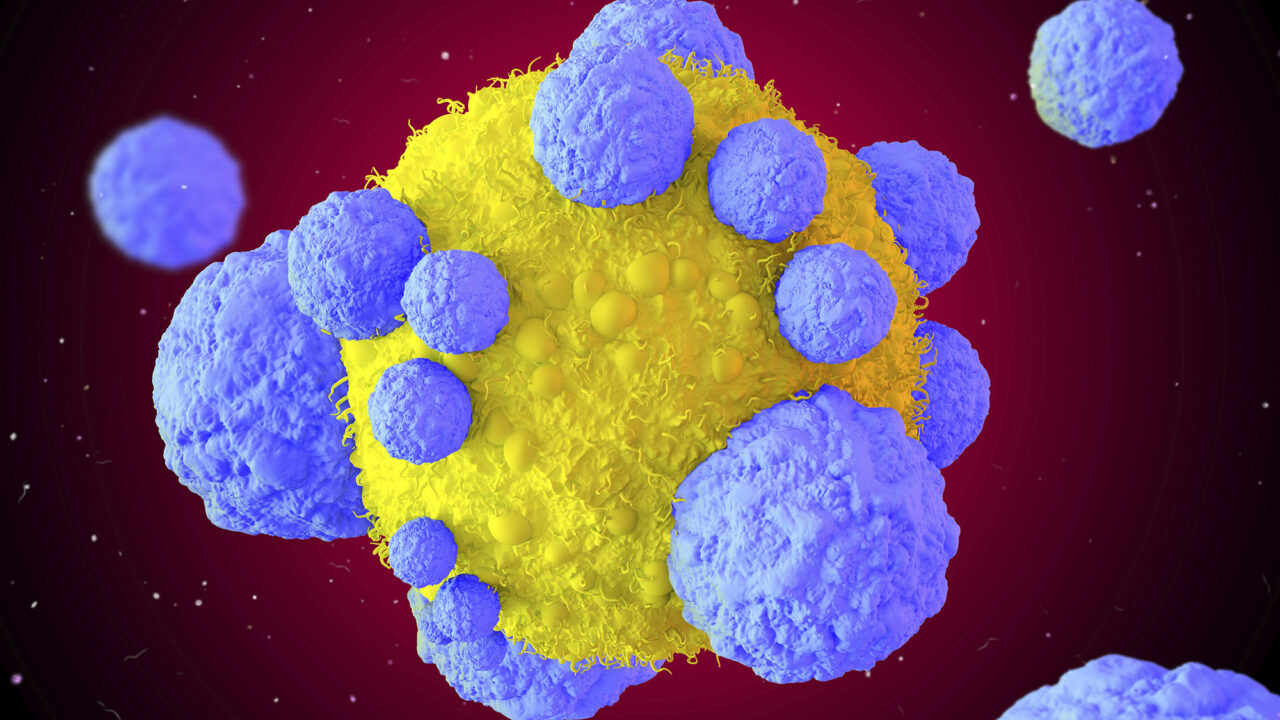
A study at The University of Texas MD Anderson Cancer Center demonstrated how a small molecule drug discovered at the institution may help overcome resistance to treatment with ibrutinib in patients with mantle cell lymphoma. The drug, IACS-10759, was the first therapy to be developed from concept to clinical trial by MD Anderson’s Therapeutics Discovery division, a unique drug-discovery engine created to answer unmet patient needs. IACS-10759 is currently in Phase I clinical trials for...

Houston Methodist Clear Lake Hospital has installed a new radiation therapy system, which integrates imaging, beam delivery, and motion management to give physicians unmatched control of radiation therapy. “This is a major step forward in cancer treatment,” said Twisha Verma, M.D., radiation oncologist at Houston Methodist Cancer Center at Clear Lake. “The new system allows us to limit side effects and reduce the impact on surrounding tissue while improving the delivery of radiation. It actually...

A study at The University of Texas MD Anderson Cancer Center revealed the investigational drug umbralisib as an effective treatment for patients with relapsed marginal zone lymphoma (MZL). MZL is a low-grade non-Hodgkin lymphoma that accounts for 6 percent of all lymphoma diagnoses. Although it is treatable, many patients relapse, at which point few treatment options exist. “Umbralisib is part of a new class of drugs that are quite active in low-grade lymphomas,” said Fowler. “These PI3K inhibitors...

If an antibiotic doesn’t kill all the bacteria that infects a patient, the surviving bugs may be particularly adept at timing their resurgence. Theoretical scientists at Rice University have proposed a better way to understand how to prescribe antibiotics to kill every last bacterium or at least discourage them from developing resistance. Anatoly Kolomeisky, a Rice professor of chemistry and chemical and biomolecular engineering, considers antibiotic resistance “the most serious problem of the 21st century.”...

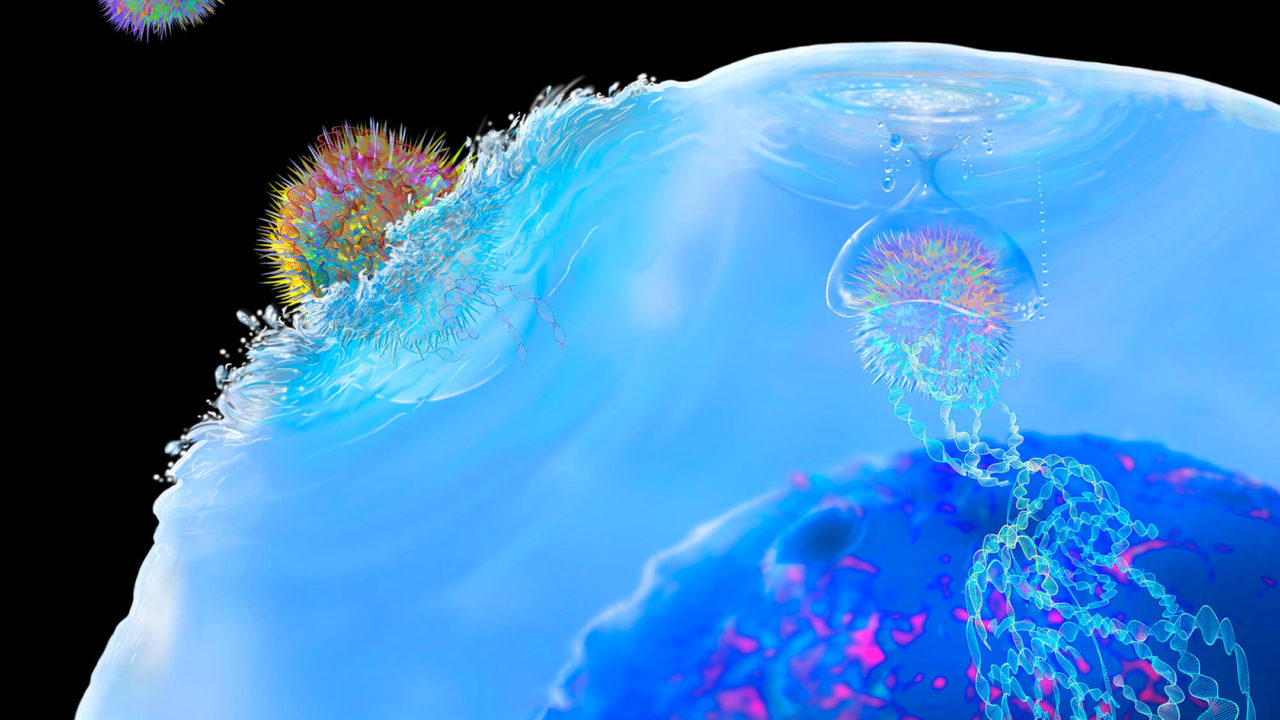
A collaborative team from The University of Texas Medical Branch at Galveston, Saudi Arabia, and Canada developed a potent and safe vaccine that protects against the deadly Middle East respiratory syndrome, or MERS. MERS was first identified when someone died from the viral infection in 2012. The virus, which can suddenly cause severe and fatal respiratory symptoms, systemic infection and multi-organ failure, has caused more than 2,250 confirmed infections with a 35 percent mortality rate...

Researchers at The University of Texas MD Anderson Cancer Center reported cellular identity switch protects a cancer-promoting genetic pathway from targeted therapy. Working in cell lines and mouse models of lung cancer, a team led by Don Gibbons, M.D., Ph.D., associate professor of Thoracic/Head & Neck Medical Oncology, demonstrated how the KRAS-driven lung cancer cells defeat treatment by switching from stable, stationary cells into a type of mobile, resistant cell associated with embryonic development. They also found a drug combination...

Complication rates following invasive diagnostic procedures for lung abnormalities were twice as high in the community setting compared to those reported in lung cancer screening trials, and associated downstream costs ranged from $6,320 to $56,845 on average, according to a new study from The University of Texas MD Anderson Cancer Center. The researchers believe the findings, published today in JAMA Internal Medicine, reinforce the need for including these risks in the shared decision-making communication between...

Researchers at The University of Texas MD Anderson Cancer Center have discovered an immune regulator that appears to dictate glioblastoma (GBM) progression by shutting down immune surveillance, indicating a potential new area of therapeutic investigation. “Classical wisdom is that brain tumor progression is linked to oncogene activation and tumor suppressor gene inactivation; however genetic and epigenetic mutations are not the only cause of GBM progression,” said Shulin Li, Ph.D. “Some immune regulators can do the...

Houston Methodist Sugar Land Hospital offers new high-resolution imaging

the first in Fort Bend to offer a new high-resolution PET/CT imaging machine – called the Biograph mCT – that improves physicians’ abilities to make diagnoses. The PET/CT produces crisper, more detailed images than older machines – and does so with reduced rates of radiation exposure. “This is a valuable investment in patient care because imaging plays such a critical role in diagnosis,” said Eric Longo, M.D., Chair of the Department of Radiology at Houston...

MJH footer logo with red letters

Medical Journal – Houston is the leading source of healthcare business news. With extremely relevant content, late-breaking news and monthly exclusives from industry experts, MJH News has created a winning combination of must-read editorial that physicians and hospital executives eagerly anticipate month after month. MJH News is the resource that provides everything they need in one place, and it is a high honor that they rely upon Medical Journal – Houston to keep their practice or hospital on the cutting edge.

Archives