

The investigational cancer vaccine, NOUS-209, was found to safely stimulate the immune system to target precancerous and cancerous cells in individuals with Lynch Syndrome (LS). The results of a Phase Ib/II clinical trial, led by Eduardo Vilar-Sanchez, M.D., Ph.D., chair ad interim of Clinical Cancer Prevention, provide early evidence that immune-based approaches, such as NOUS-209, may be able to intercept cancer before it develops, offering a potential new avenue for preventive care for high-risk individuals.   “Current management strategies for Lynch...

Novel immunotherapy demonstrates early potential to overcome resistance to immune checkpoint therapy

In a Phase I study, the novel monoclonal antibody linavonkibart, also known as SRK-181, demonstrated the potential to overcome treatment resistance to anti-PD-1 immune checkpoint inhibitors in multiple cancer types. The trial was led by Timothy Yap, M.B.B.S., Ph.D., professor of Investigational Cancer Therapeutics and vice president and head of clinical development in MD Anderson’s Therapeutics Discovery division.   “This is a very exciting trial because we’ve been trying to effectively target this protein, called transforming growth factor-beta 1, for a long...

UTMB study shows potential treatment of Lassa fever with antiviral drug

Researchers at The University of Texas Medical Branch (UTMB), funded by a National Institutes of Health grant, show that antiviral medicine successfully treated non-human primates infected with the virus that causes Lassa fever.   Lassa fever remains a global health threat Lassa fever is a hemorrhagic disease for which there is currently no treatment. It is estimated to cause 100,000 to 300,000 infections and 5,000 deaths annually in West Africa with Nigeria accounting for a...

MD Anderson and SOPHiA GENETICS announce strategic collaboration to accelerate AI-driven precision oncology

The University of Texas MD Anderson Cancer Center and SOPHiA GENETICS today announced a strategic collaboration that unites SOPHiA GENETICS’ AI-powered analytics with MD Anderson’s clinical and scientific expertise to accelerate data-driven cancer care through new tools that can accurately analyze, interpret and translate diagnostic results into clinical practice.   As part of the collaboration, MD Anderson and SOPHiA GENETICS are launching a series of research and development programs and co-developing an advanced next-generation sequencing oncology test. Built on the...

New Study Identifies Molecular Clues Behind Mixed Immunotherapy Response in Colon Cancer Patients

Patients with a particularly aggressive form of metastatic colorectal cancer may benefit from a novel combination of targeted therapy and immunotherapy, according to a Houston-led phase 1/2 clinical trial that offers new insights into why some patients benefit while others don’t.   The multi-institutional clinical trial showed significantly better outcomes from a three-drug regimen of encorafenib, cetuximab and the immune checkpoint inhibitor nivolumab in patients with microsatellite-stable (MSS) colorectal cancer harboring the BRAFV600E mutation than...

HER2-targeted therapy shows promising results in rare bile duct cancers

Zanidatamab, a bispecific HER2-targeted antibody, delivered clinically meaningful and durable responses for patients with HER2-positive biliary tract cancer (BTC), according to final results from the HERIZON-BTC-01 clinical trial. In this clinical trial, zanidatamab demonstrated an objective response rate of 41.3% and a median duration of response of 15.5 months, while patients whose tumors showed strongest levels of HER2 overexpression experienced even greater benefit – a 51.6% response rate and a median duration of response of 18.1 months Initial trial...

Researchers identify target to overcome treatment resistance in preclinical models of KRAS-mutant cancers

Researchers have identified a specific protein, RASH3D19, that is responsible for activation of RAS signaling pathways involved in aggressive tumor growth and resistance to KRAS inhibitors in patients with KRAS-mutant cancers. Blocking RASH3D19 in combination with KRAS inhibitors improved outcomes in preclinical models, suggesting this combination as a potential therapeutic strategy for patients with KRAS-mutant cancers. The study was led by Subrata Sen, Ph.D., deputy chair of Translational Molecular Pathology, and Hiroshi Katayama, Ph.D., associate professor of Translational Molecular...

DNA shape and rigidity regulate key players of gene expression

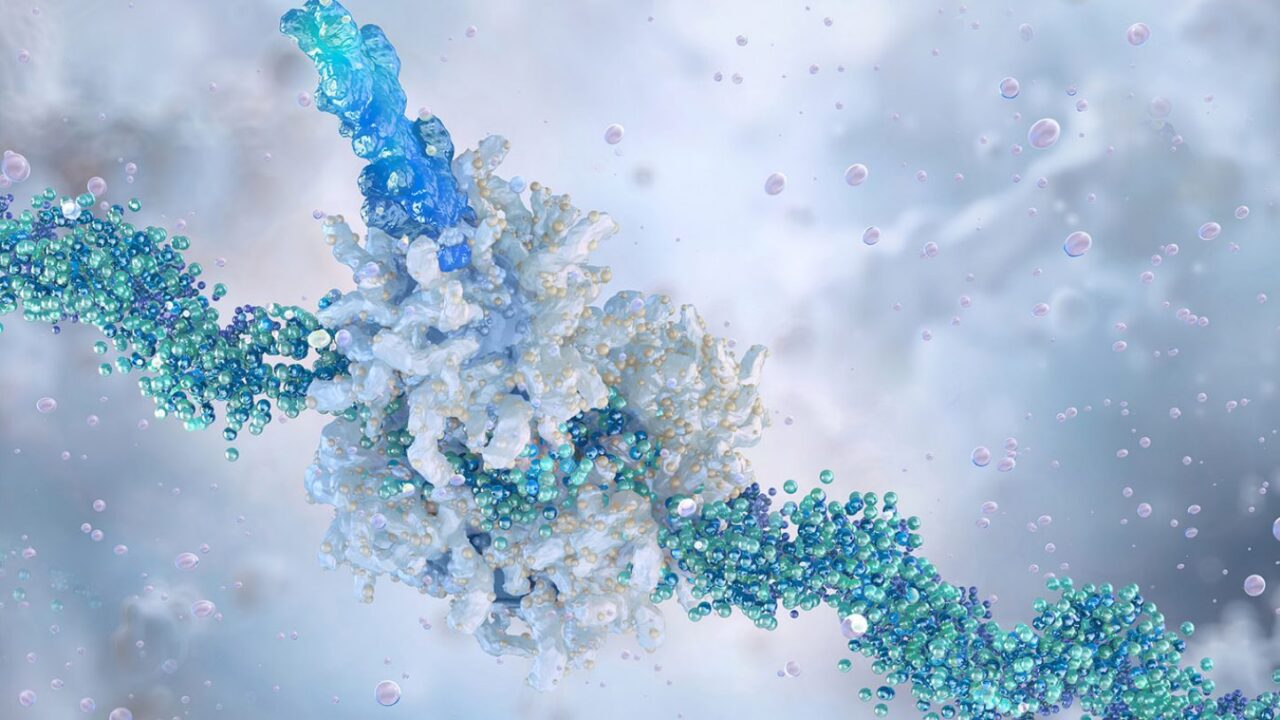
Researchers have shown that DNA inflexibility, or rigidity, inside the nucleosome regulates the positioning of INO80. This highlights that the physical structure and shape of DNA, not just genetic information, are key components of DNA transcription. It also suggests that the Arp5 subunits may act as sensors that regulate INO80 remodeling depending on the shape of the DNA. The study was co-led by Blaine Bartholomew, Ph.D., professor of Epigenetics and Molecular Carcinogenesis, and colleagues Post Views: 313

Study identifies target for disease hyper progression after immunotherapy in kidney cancer

Researchers discovered that renal medullary carcinoma (RMC) cells use an adaptive mechanism called “myeloid mimicry” to hide from the immune system and promote disease hyper progression after immunotherapy, highlighting specific targets that overcome treatment resistance in preclinical models. The study was led by Pavlos Msaouel, M.D., Ph.D., and Giannicola Genovese, M.D., Ph.D., both associate professors of Genitourinary Medical Oncology; Jianjun Gao, M.D., Ph.D., professor of Genitourinary Medical Oncology; and Linghua Wang, M.D., Ph.D., associate professor of Genomic Medicine, associate member of the James P....

Study provides comprehensive insights into DNA language models

Researchers have performed a comprehensive evaluation of five artificial intelligence (AI) models trained on genomic sequences, known as DNA language models. These comparisons provide valuable insights into their strengths and weaknesses and offer a framework for selecting appropriate models based on specific genomic tasks. The study was led by Chong Wu, Ph.D., assistant professor of Biostatistics and affiliate of the Institute for Data Science in Oncology; and Peng Wei, Ph.D., professor of Biostatistics. Post Views: 347

MJH footer logo with red letters

Medical Journal – Houston is the leading source of healthcare business news. With extremely relevant content, late-breaking news and monthly exclusives from industry experts, MJH News has created a winning combination of must-read editorial that physicians and hospital executives eagerly anticipate month after month. MJH News is the resource that provides everything they need in one place, and it is a high honor that they rely upon Medical Journal – Houston to keep their practice or hospital on the cutting edge.

Archives