

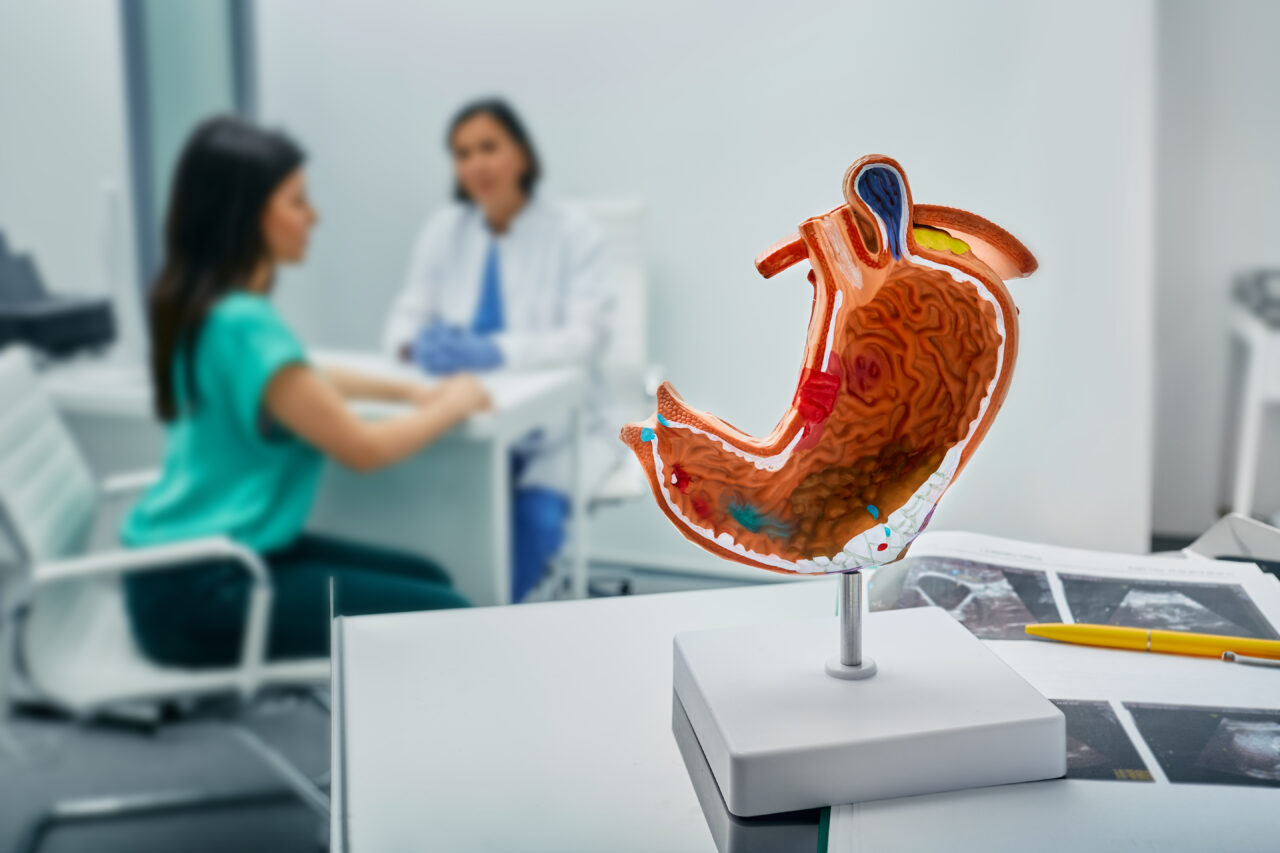
Scientists often use organoids – laboratory-grown human cell culture systems that closely mimic body organs – to gain deeper insights into cancer biology and understand how tumors respond to drugs. Researchers led by Yuan-Hung Lo, Ph.D., used organoids along with several CRISPR gene editing tools to study how cisplatin chemotherapy interacts with different genes in the human stomach. The screens revealed an unexpected link between cisplatin sensitivity and fucosylation, a process that adds sugar molecules to cells. The researchers identified the TAF6L gene as a key regulator of cell recovery from cisplatin-induced cytotoxicity. These results show that CRISPR genetic screens in organoids are a powerful way to identify drug-gene interactions that might explain why some people respond better to certain treatments.