
Medical Journal September 2020 Digital Edition
September 17, 20201 min
Post Views: 2,478
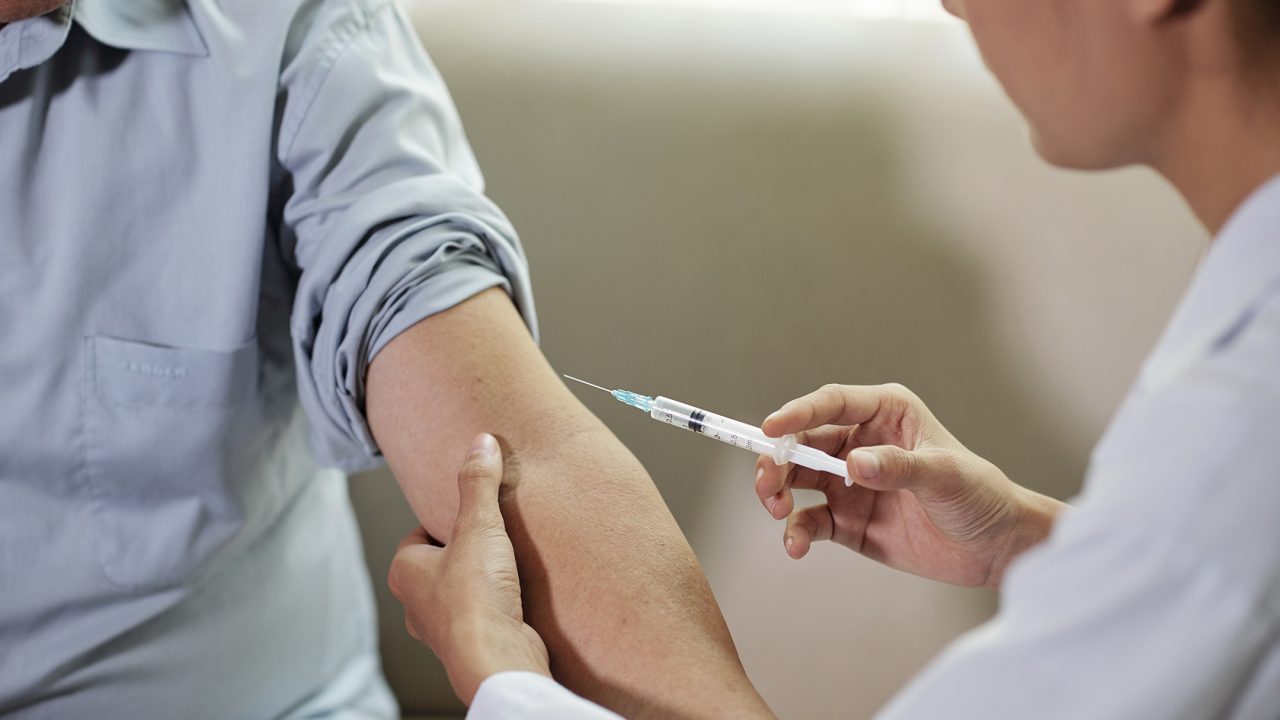
By A. Kevin Troutman, Partner, Co-Chair, Healthcare Practice Group, Fisher Phillips With the flu season nearly upon us and the COVID-19 pandemic continuing, employers’ mandatory vaccination practices may soon become more important and more controversial than ever, especially in the healthcare industry. The reasons for this are many. First, the Centers for Disease Control (CDC) has stated that getting the flu vaccine this fall may be more important than ever, to reduce health risks for...

The Texas A&M University System and Medistar Corporation broke ground on the half-billion-dollar Texas A&M Innovation Plaza project. The Plaza, projected to be completed by 2024, is located on five acres adjacent to the Texas Medical Center at the corner of Holcombe Boulevard and Main Street in Houston. The towers expand The Texas A&M University System’s presence in the Texas Medical Center and allow the System to help meet the rising medical needs in Houston...

By Beth Anne Jackson and Monique Pena, Brown & Fortunato, P.C. The Public Health and Social Services Emergency Fund for provider relief (the Provider Relief Fund) of the CARES Act is currently concluding its second phase of General Distribution funding. The deadline to apply had been extended to September 13, 2020. As most providers are aware, after each payment from the Provider Relief Fund, providers must attest to compliance with the terms and conditions of...

By Ketan Patel, Advisory Principal, Healthcare, KPMG The Coronavirus Aid, Relief, and Economic Security Act (CARES Act) packaged financial and regulatory relief for healthcare providers to address a major health emergency, but as we approach the end of 2020, some provisions are ending. Harris County health officials said the Houston metropolitan area is dealing with 16,373 active cases and 1,389 of the 108,819 confirmed cases, as of Sept. 3. Officials describe the state of COVID-19...
By Ted Shaw, President/CEO, Texas Hospital Association Beyond the changes to our day to day lives, the COVID-19 pandemic has triggered a reckoning throughout the country’s health care infrastructure. The pandemic has upended who can access care and how it’s delivered and paid for. Millions are newly uninsured, while others are choosing to delay necessary care. With COVID-19 impacting people of color at alarmingly disproportionate rates, health disparities and the social determinants of health are...

By Victor S. Sierpina, MD There is a well written, meticulously documented book by Baylor Professor Jeff Levin, Religion and Medicine: A History of the Encounter Between Humanity’s Two Great Institutions. Dr. Levin, an epidemiologist and religious scholar has spent his career investigating and documenting the dialogue, and the conflicts between medicine and religious traditions, their synergies and their tensions. A quote from the book that characterizes some of this dynamic: “Medicine, in the final...
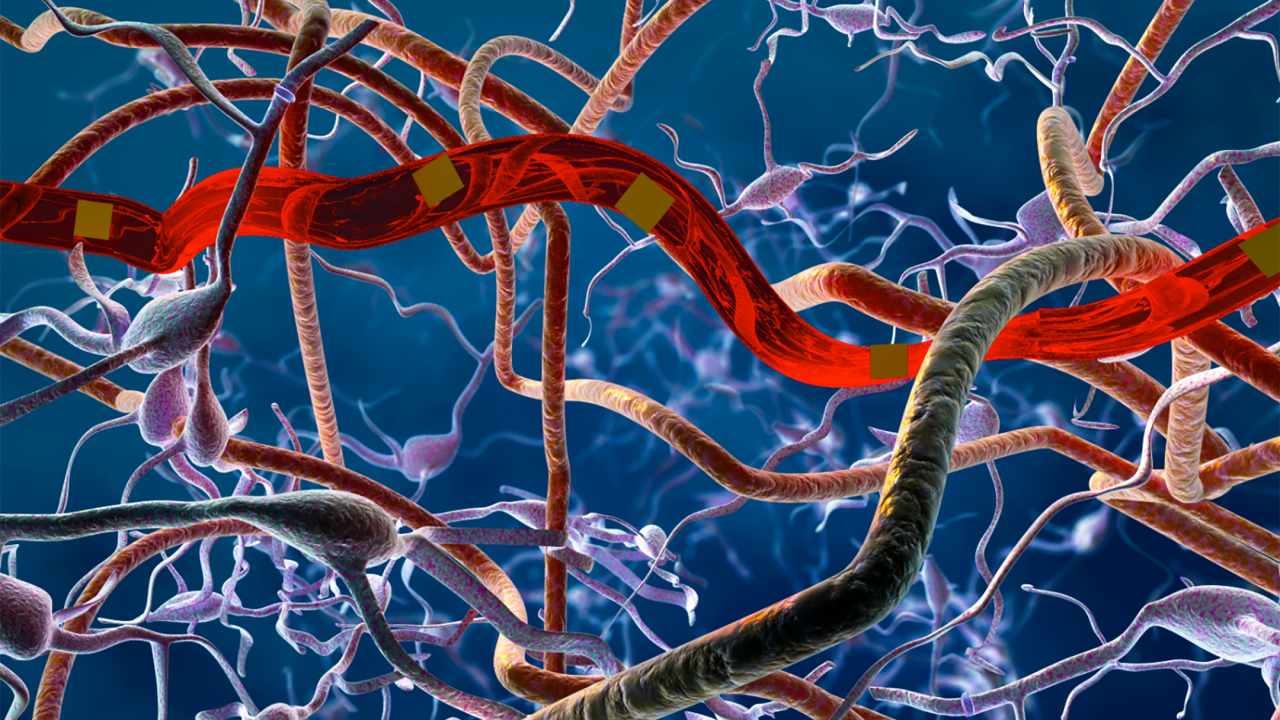
Rice University engineers will gain a better understanding of brain activity over time with the support of the National Institutes of Health. The agency has awarded a four-year grant of $4.15 million to Chong Xie of the Brown School of Engineering’s Neuroengineering Initiative to maximize the use of devices based on the flexible nanoelectronic thread (NET) he has developed. The information they gather could be critical to future treatment of neurological disease. The biocompatible probes have the unique ability to stably...
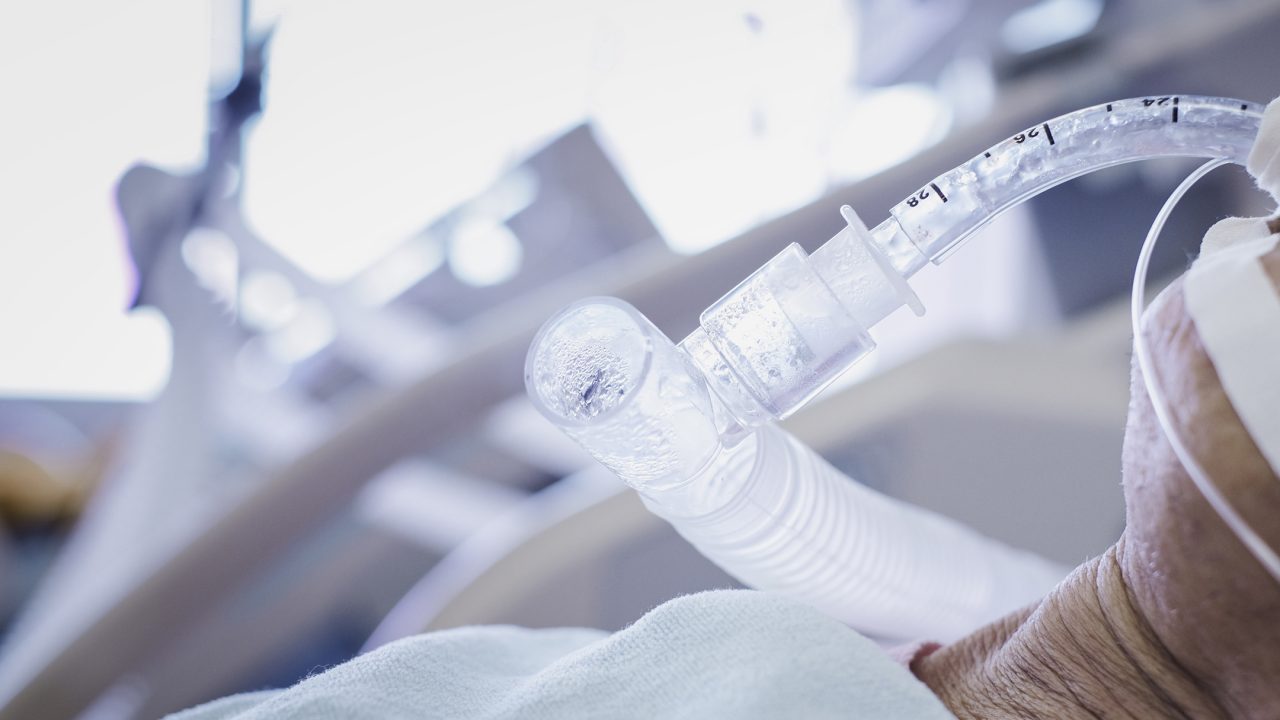
A new study by researchers from The University of Texas Medical Branch at Galveston suggests that people with substance use disorders may be particularly vulnerable to the adverse respiratory effects of COVID-19, especially those using drugs that impair the cardiovascular and respiratory systems. As COVID-19 continues to spread worldwide, health care systems are working to identify patients at high risk of becoming infected with and suffering from complications of the disease. People with substance use disorder are likely to be at...